
Smart Health Technology
Smartwatches, fitness bands, and personal health wearables can encourage daily walking, consistent sleep schedules, and resting heart-rate awareness. Equally, consumers deserve clarity on where optical consumer sensors fall short—and why a smartwatch estimate is never a substitute for a validated medical instrument or clinical test.
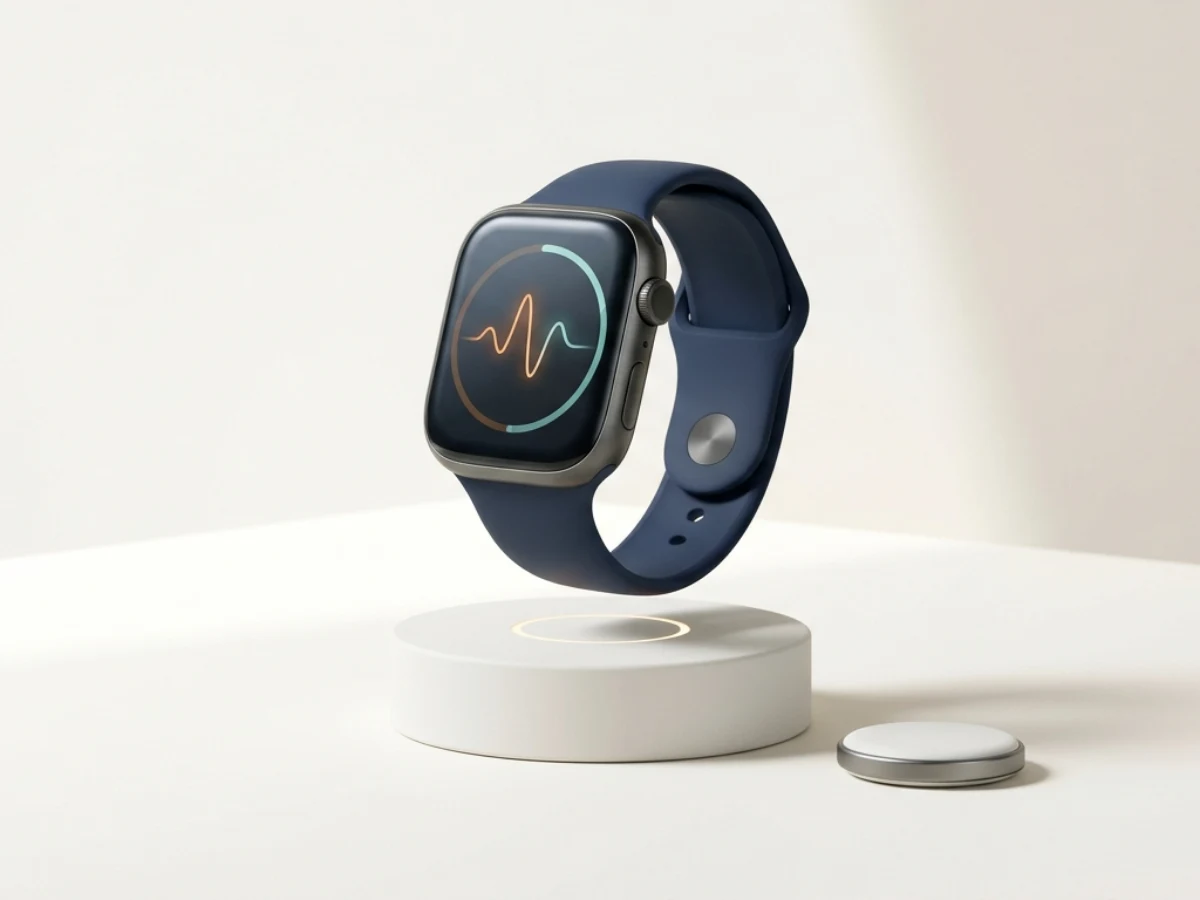
Distinguishing Optical Wellness Trends from Validated Measurements
Most consumer wearables rely on wrist photoplethysmography (green or infrared LED light reflected from skin capillaries) combined with motion accelerometers. While useful for tracking step counts, workout pacing, and long-term resting pulse habits, wrist optical readings are sensitive to strap looseness, arm movement, skin perfusion, and sweat.
In particular, unvalidated "cuffless blood pressure" or "non-invasive blood sugar" claims advertised on low-cost smartwatches lack recognised clinical validation and can create dangerous false reassurance. Any medical parameter requiring clinical accuracy—such as blood pressure or blood glucose—should be measured using an appropriate, validated medical device under medical guidance.
Planned Educational Topics in Smart Health Technology
This hub is an approved Phase 1 educational category. No commercial product endorsements, scores, or retail links are active at this stage.
Explore Other Health Essentials Categories
Home Health Monitoring
Blood pressure monitor and household thermometer accuracy, cuff sizing, and home measurement steps.
Open Hub → Indoor EnvironmentClean Air & Home Health
Mechanical HEPA filtration, room sizing, ozone-free safety, and coastal humidity considerations.
Open Hub → Device Hygiene & SafetyRespiratory Care
Doctor-prescribed nebulisation basics, interface compatibility, and manufacturer-specific care rules.
Open Hub →Disclosures & Medical Disclaimer
Affiliate & Editorial Independence Disclosure
Pre-Approval Affiliate Status: No retail or affiliate links are active in this initial educational release.
SwasthiyaSure Health Essentials is planned to operate on a transparent affiliate model once independent product verification and retailer affiliate programme approvals are completed. Potential commission rates never determine editorial coverage, Stage A safety eligibility, or evaluation criteria.
Medical Disclaimer
This page is for general educational purposes only and does not replace professional medical advice, diagnosis, or treatment. Consumer wearables provide general wellness estimates and are not substitutes for clinical evaluation or laboratory testing.